- 0
- 1,708 word
What I’m about to share with you is not just interesting advice, it’s a practical transformation. Imagine hearing the line, “Beyond fear…” and instantly your brain completes it with “Victory is the key.” Or when someone says, “Daag Achhe Hain,” and without effort, a brand name pops into your mind. That automatic connection is not luck. It’s a skill. It’s psychology. It’s exposure. And most importantly, it’s learning in action.
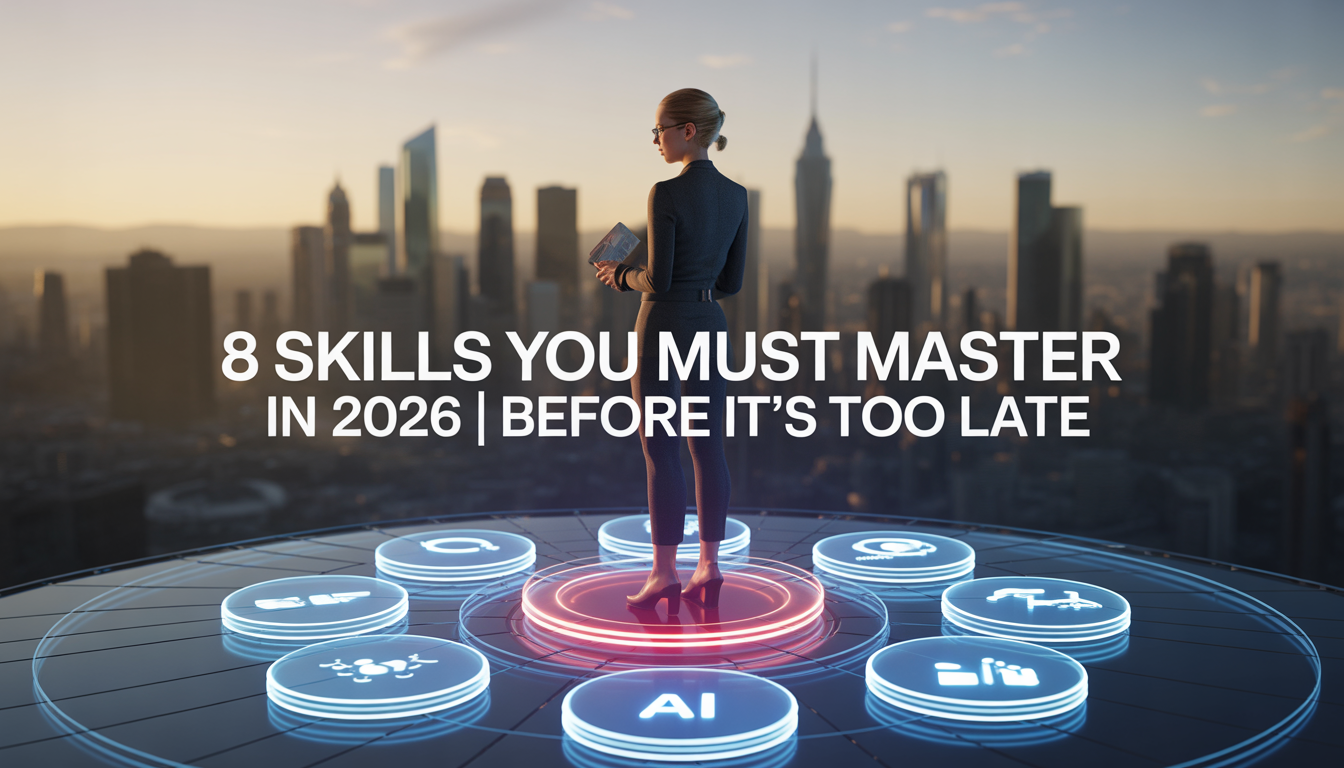
Now imagine if you could build that kind of impact in your own life. Imagine unlocking creativity, confidence, communication, fitness, money, and long-term career growth all without expensive laptops, paid courses, or elite degrees. As 2026 approaches, the question isn’t whether the world will change. It’s whether you will.
In this blog, I’ll share eight powerful skills divided into three simple categories:
- Quick Learning Skills
- Money-Making Skills
- Long-Term Career Skills
Whether you are a student, a working professional, or someone simply curious about growth, there is something here for you.
Let’s begin.
Quick Learning Skills That Upgrade You Instantly:
We all spend hours scrolling through Netflix or Instagram. There’s nothing wrong with entertainment. But imagine if even a fraction of that time was invested in something that builds you. A small daily effort in the right direction can completely reshape your year.
Canva:
One of the easiest skills to start with is digital design using platforms like Canva. Canva is not just an app; it’s a digital art box. You can create posters, Instagram stories, presentations, resumes, YouTube thumbnails, business proposals, and more. You don’t need a design degree. You don’t even need advanced technical knowledge. Within days, you can develop a design sense understanding colors, fonts, layouts, and visual balance.
When you start designing, something powerful happens. Your creativity gets unlocked. And creativity is not limited to artists. It improves how you present school projects, pitch business ideas, or even share thoughts online. It builds confidence silently.
But creativity alone is not enough. You must express it. That’s where communication skills enter.
Communication Skill:
Many people think communication simply means speaking fluent English. That is incomplete. True communication means leaving an impression. It means when you speak, people listen. When you explain, people understand. When you present, people remember.
A powerful way to improve communication is by watching speakers on platforms like TEDx. Observe how they structure ideas, use pauses, tell stories, and connect emotionally. You’ll realize communication is more about clarity and storytelling than language perfection.
Reading:
Reading is another secret weapon. If you struggle with reading habits, start with fiction. For example, the Harry Potter series can make reading enjoyable. Once reading becomes a habit, transitioning to nonfiction becomes easier. Reading expands vocabulary, strengthens imagination, and sharpens expression. It naturally improves how you speak and write.
Fitness:
The fourth quick skill is fitness, specifically, calisthenics. Many people assume fitness means gym memberships, protein powders, and expensive trainers. That’s not true. Calisthenics uses your own body weight to build strength and control. Push-ups, pull-ups, squats, and handstands are more than exercises; they teach discipline.
When you control your body, you begin to control your mind. Achieving your first handstand or muscle-up creates confidence that spills into other areas of life. You don’t need fancy equipment. You just need consistency. These quick skills may seem small, but practiced daily, they elevate your personality.
Money-Making Skills You Can Start From Your Phone:
Let’s talk about money. Not becoming a billionaire overnight, but becoming self-dependent. Even small income streams change your mindset. They build responsibility and confidence.
Thumbnail Design:
The first money-making skill is thumbnail design. Think about the last YouTube video you clicked. What did you notice first? The thumbnail. Before the title. Before the creator’s name. A thumbnail influences whether someone clicks or scrolls past.
Designing thumbnails is not random. It involves understanding psychology—colors, emotions, curiosity, contrast, and facial expressions. A great video can fail with a poor thumbnail. An average video can succeed with a powerful one. Learning this skill makes you valuable to content creators.
Video Editing or Reel Editing:
Another highly demanded skill is reel editing. Platforms like CapCut make editing extremely accessible. Gym trainers, café owners, teachers, and real estate agents all want short-form video content. If you can edit engaging reels within 20–30 minutes, you can build a strong freelance income stream.
Consistency is the key. Imagine editing ten reels a week. That’s practical, achievable, and profitable.
Product Mockups:
Then comes product mockups, an underrated but powerful skill. Brands don’t just show products; they show realistic packaging. They make designs look tangible and professional. Product mockups help businesses visualize how their logos, packaging, or merchandise will look in real life.
You don’t need advanced software. With practice and YouTube tutorials, you can master this. Every brand needs a visual presentation. If you understand how to align digital design with real-world visuals, you become an asset.
These skills prove something important: the internet rewards value. You don’t need massive capital. You need creativity and consistency.
Long-Term Career Skills That Shape Your Future:
Side income is good. But long-term growth changes your life.
If you dedicate even one hour daily to long-term skills, your future self will thank you.
Python Coding:
The first major long-term skill is Python coding. Python is one of the most beginner-friendly programming languages in the world. You don’t need prior technical knowledge. You can start with basic projects like building a calculator, a to-do list app, or a simple weather app.
Platforms like freeCodeCamp provide structured, free learning paths. Coding is not just for computer science students. It strengthens logical thinking and problem-solving. Even basic coding knowledge makes your resume stand out.
We live in a digital era. Coding runs the internet. But content fuels it.
Content Writing:
That’s why the final skill is content writing.
Think about brand taglines that stay in your mind. That’s not a coincidence, it’s a strategy. Content writing influences behavior. It shapes perception. It drives action. Brands like Zomato use witty notifications and relatable copy to stay in your thoughts throughout the day. That emotional connection increases engagement and sales.
Content writing is not just about grammar. It’s about understanding psychology. It’s about knowing what words trigger curiosity, trust, excitement, or urgency. If you master content writing, you become valuable in marketing, branding, social media, startups, and corporate roles.
Follow experts like Neil Patel to understand digital marketing and persuasive writing strategies. Practice daily. Rewrite ads. Create taglines. Study successful campaigns. When you combine coding with content writing, you don’t just become employable; you become adaptable.
The Real Secret Behind All Eight Skills:
Here’s the truth: you don’t need expensive tools. You don’t need paid courses. You don’t need permission.
You need dedication and curiosity. Quick skills upgrade your daily life. Money-making skills build independence. Long-term skills secure your future. Imagine entering 2026 not as someone who consumed content, but as someone who created value.
Designing visuals.
Speaking confidently.
Reading consistently.
Training your body.
Editing videos.
Creating thumbnails.
Coding applications.
Writing words that influence.
The difference between those who grow and those who stay stuck is simple: action.
Pick one skill.
Commit to it.
Give it 60 minutes daily.
In a few years, when you look back, you won’t remember the reels you scrolled past. You’ll remember the skill you built, and that skill might change everything
Conclusion:
The biggest mistake people make is waiting for the “perfect time” to start. But the truth is, 2026 doesn’t care whether you feel ready or not it will reward those who take action and leave behind those who only consume. The eight skills you just explored are neither complicated nor expensive, and they are not reserved for a select few. They are practical, accessible, and powerful enough to transform your life if applied consistently and completely.
Quick learning skills sharpen your personality and mindset. Money-making skills give you independence and confidence. Long-term skills secure your future in a world that is becoming more competitive every day. But none of these matters matter unless you act.
You don’t need to master all eight skills at once. Start small. Choose one skill that excites you the most. Dedicate just one hour a day. Stay consistent even when motivation fades. Because in the end, success is not built on motivation, it is built on discipline.
A year from now, you will either wish you had started or be grateful that you did.
The choice is yours.
Frequently Asked Questions (FAQs)
1. Can I really learn these skills without spending money?
Yes, absolutely. Most of these skills can be learned using free platforms like YouTube, blogs, and free learning websites. Tools like Canva and CapCut also offer free versions that are powerful enough to get started. What matters more than money is consistency and practice.
2. How long does it take to start earning from these skills?
It depends on your consistency and effort. Some people start earning within a few weeks, especially with skills like thumbnail design or reel editing. However, for most people, it may take 1–3 months of regular practice to build confidence and find clients.
3. Which skill should I start with if I am a complete beginner?
Start with something simple and engaging like Canva design or video editing. These skills are easy to learn, visually rewarding, and can quickly build your confidence. Once you gain momentum, you can move toward more advanced skills like coding or content writing.
4. Do I need a laptop for these skills, or can I use my phone?
You can start many of these skills directly from your phone. Apps like Canva and CapCut are mobile-friendly and widely used. However, for long-term skills like Python coding, having access to a laptop will eventually be beneficial.
5. What if I lose motivation after a few days?
That’s completely normal. Motivation comes and goes. The key is to rely on discipline instead. Set a fixed time daily (even 30–60 minutes) and treat it like a non-negotiable routine. Progress may feel slow at first, but consistency always wins in the long run.
Author

officeworks1419@gmail.com
Related Posts
Increase Your Brain Power:
- 0
- 1,596 word
Have you ever noticed that on some days your mind feels sharp, focused, and incredibly fast, while on other days it feels...
Read out all
How to Find Your Purpose in Life:
- 0
- 1,647 word
Finding purpose has become one of the most romanticized ideas of modern life. Everywhere you look, people are searching for that one...
Read out all