- 0
- 1,741 word
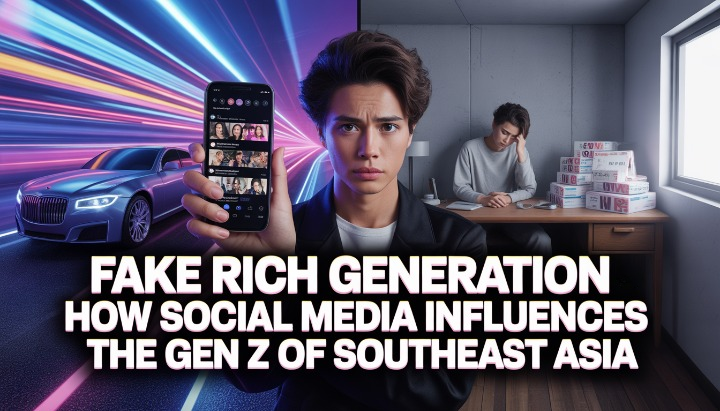
If I say Gen Z is the most financially irresponsible generation, many people will nod in agreement. Scroll through Instagram or TikTok, and you will see teenagers flexing 1.5 lakh phones, ₹75,000 outfits, and sneakers worth more than their monthly salary. Outfit breakdown videos have turned into competitive exhibitions of who can wear the most expensive combination of brands. Watches worth 35,000, shoes touching 2 lakh, and gadgets bought “in cash” just to prove a point.
At the same time, many of these young earners make 25,000 to 30,000 a month. Some are already servicing 20 lakh loans. Credit cards are maxed out. EMIs are scattered across apps. The aesthetic looks rich. The balance sheet does not.
But here is where it gets interesting. The same generation that flexes expensive iPhones is also investing earlier than their parents. They are opening demat accounts in college. They are buying crypto. They are exploring U.S. stocks. They are discussing index funds and ETFs. They are building communities around the concept of the FIRE movement, Financial Independence, Retire Early.
So how can one generation be both early investors and worst debtors at the same time? This contradiction is what I call the Great Gen Z Financial Paradox.
The Rise of the FIRE Dream:
Across Southeast Asia, young people are increasingly rejecting the idea of working until 60. Surveys show a large percentage want to retire between 45 and 55. Online communities dedicated to FIRE are growing rapidly. Even teenagers are calculating how much corpus they would need to stop working by 40.
This sounds financially mature. And in many ways, it is. Gen Z is aware. They know about SIPs. They know about index funds. They talk about compounding. They track crypto charts. They understand that depending on a single salary for 40 years feels risky and exhausting.
But awareness is not the same as literacy. And that is where the first crack appears.
Awareness Without Financial Literacy:
Gen Z knows the vocabulary of investing. But many do not understand the mathematics behind it. Ask someone what happens if they invest ₹5,000 monthly for five years at a 12 percent annual return. Very few can calculate the exact corpus. Ask how credit card interest compounds at 36 percent annually. Silence.
Financial literacy means understanding risk management, taxation, diversification, exit strategies, and time horizon. It means knowing how inflation affects long-term returns. It means understanding that a 12 percent return over 20 years is transformative, but only if you stay invested.
Instead, much of the “education” comes from influencers and network marketers posing as financial experts. Trending content revolves around “Top 5 stocks to buy now” or “This crypto will 10x.” When Elon Musk tweeted about Dogecoin, thousands rushed in without understanding volatility. The result? Many entered at peaks and exited at losses.
Gen Z is aware of investing tools but often lacks structured financial education. And in many Southeast Asian countries, financial literacy is not taught in schools. Young professionals learn about TDS deductions before they learn about emergency funds.
The Problem of Invisible Money:
In previous generations, spending money meant physically handing over cash. Psychologists call the discomfort associated with spending the “pain of paying.” You could see the notes leaving your wallet. The brain registered loss.
Today, digital payments dominate. UPI transfers, QR codes, one-click checkouts. Money is reduced to numbers on a screen. The psychological friction is gone. Buy Now Pay Later options make it even easier. “Pay in three installments.” “Zero interest.” It feels harmless.
But these small, fragmented liabilities add up. ₹5,000 on one platform. ₹4,000 on another. ₹3,000 somewhere else. Individually manageable. Collectively overwhelming. Because the money is invisible, the danger is invisible.
Credit Cards and Gamified Spending:
Banks have turned credit cards into reward machines. Cashback between 1 to 5 percent. Airport lounge access. Points. Travel miles. The brain feels rewarded for spending.
But here is the harsh arithmetic. If you do not pay your full outstanding balance every month, interest rates between 36 and 48 percent can apply. Imagine earning ₹1,000 cashback but paying ₹10,000 in interest over time. The illusion of gain hides the reality of loss.
Data from central banks across the region shows rising credit card penetration among Gen Z and millennials. Outstanding balances are increasing sharply. Many young earners live paycheck to paycheck. Once salary ends, borrowing begins. And if there is no emergency fund, one unexpected medical expense can trigger a spiral.
The system encourages consumption. Financial literacy lags.
Social Media and the Fake Rich Aesthetic:
Social media amplifies comparison. Influencers showcase luxury lifestyles daily. Expensive sneakers, luxury vacations, and global brands like Apple Inc. products become status symbols. Owning the latest iPhone feels less like a choice and more like a social requirement.
In Southeast Asia, where rapid economic growth has increased aspirations, this pressure is even stronger. Young people see influencers traveling internationally while they struggle with rent. The desire to escape the middle-class struggle becomes urgent.
This desperation fuels overspending. Some even fake experiences buying concert stories, posing in borrowed luxury environments just to maintain an aesthetic. It creates a culture of appearing wealthy rather than becoming wealthy.
Yet beneath this aesthetic lies anxiety. Many Gen Z individuals watched their parents work for 40 years and still worry about money. They do not want that future. They want financial independence faster. But without structure, speed becomes chaos.
The Three Shifts Gen Z Must Make:
The first shift is from awareness to literacy. Knowing about SIPs is not enough. Learn to calculate returns. Understand taxation rules. Study diversification. Read books. Take structured courses. Develop real competence.
The second shift is from FOMO to strategy. Investing in crypto is not wrong. But it should come after building an emergency fund covering six to eight months of expenses. It should come after buying health insurance and term insurance if dependents exist. Strategy means long-term planning, not reacting to tweets or viral reels.
The third shift is from credit culture to cash flow discipline. Credit cards are not evil. BNPL is not evil. But both require strict rules. Always pay full dues every month. Only buy what you can afford in cash. Use credit as a tool, not as income.
Building a Real Financial Foundation:
True wealth begins with the basics. Track monthly expenses. Build an emergency fund. Get insurance. Then invest systematically. Diversify across asset classes. Think in five-year horizons, not five-day profits.
Review your expenses monthly. Review investments quarterly. Rebalance annually. Track your FIRE number realistically, adjusting for inflation and lifestyle changes.
Money management is not a one-time activity. It is an ongoing process. Discipline matters more than intelligence. Consistency beats hype.
The Truth About the Gen Z Paradox:
Gen Z is not doomed. In fact, it may be one of the most financially curious generations ever. The desire to invest early, explore global markets, and seek independence is powerful.
The problem is not ambition. It is a direction.
This is a generation that saw their parents grind for decades. They do not want to repeat that cycle. Their urgency is understandable. But urgency without literacy leads to debt. Awareness without discipline leads to contradiction.
Social media has created a fake rich culture. But the solution is not to reject ambition. It is to anchor it in fundamentals.
Because in the end, wealth is not about flexing ₹1 lakh sneakers. It is about having six months of expenses saved. It is about being able to say no to a toxic job. It is about choosing freedom over appearances.
If Gen Z can combine its risk appetite with financial literacy and discipline, it will not just break the cycle. It will redefine it.
Conclusion:
The so-called “Fake Rich Generation” is not a story of irresponsibility alone. It is a story of contradiction. Gen Z in Southeast Asia is growing up in a world where financial tools are more accessible than ever, yet financial temptations are stronger than ever. They can open a demat account in minutes, invest in global stocks, and track markets in real time. At the same time, they can accumulate debt just as quickly through one-click payments, credit cards, and Buy Now Pay Later schemes.
Social media has amplified aspiration. Platforms like Instagram and TikTok constantly display curated lifestyles that blur the line between inspiration and pressure. Luxury products from Apple Inc. and high-end fashion brands become symbols of identity rather than purchases. The result is a culture where appearing wealthy often feels more urgent than actually becoming financially secure.
Yet beneath the aesthetic lies something powerful: awareness. Gen Z talks about compounding, ETFs, crypto, and the FIRE movement. That curiosity is an advantage that previous generations did not have at such a young age. The real transformation will happen when awareness turns into literacy, and literacy turns into discipline.
The paradox is not permanent. With structured education, controlled risk-taking, and strong cash flow habits, this generation has the potential to redefine financial independence. If Gen Z learns to prioritize emergency funds over aesthetics and strategy over FOMO, it will not be remembered as the fake rich generation but as the financially awakened one.
FAQs:
1. Why is Gen Z called the “Fake Rich Generation”?
The term refers to the visible gap between lifestyle and financial reality. Many young people showcase expensive gadgets, clothes, and travel online while simultaneously carrying high debt or lacking emergency savings. The image looks wealthy, but the financial foundation is often weak.
2. Is Gen Z financially irresponsible compared to older generations?
Not entirely. Gen Z is actually investing earlier and exploring global financial markets more actively than previous generations. The issue is not lack of ambition it is inconsistency and limited financial literacy. They are both early investors and high debt users at the same time.
3. How does social media influence financial behavior?
Social media increases comparison and aspirational pressure. Seeing curated luxury lifestyles daily can normalize overspending. It creates urgency to “look successful,” which can push individuals toward credit-based consumption instead of long-term wealth building.
4. Are credit cards and Buy Now Pay Later services harmful?
They are not inherently harmful. They are financial tools. However, if balances are not paid in full each month, high interest rates can quickly accumulate. Without discipline, these tools turn from convenience into financial traps.
5. What is the most important step Gen Z should take for financial stability?
Build a strong foundation first: track expenses, create an emergency fund covering at least six months of costs, get essential insurance, and invest consistently with a long-term plan. Discipline and literacy matter more than hype or fast gains.
Author

officeworks1419@gmail.com