- 0
- 1,468 word
Sometimes life does not give you a warning. It does not send a polite message before creating a crisis. A medical emergency, sudden job loss, urgent home repair, or unexpected responsibility can appear without notice. And in those moments, you do not need advice, sympathy, or motivation. You need money. Immediately.
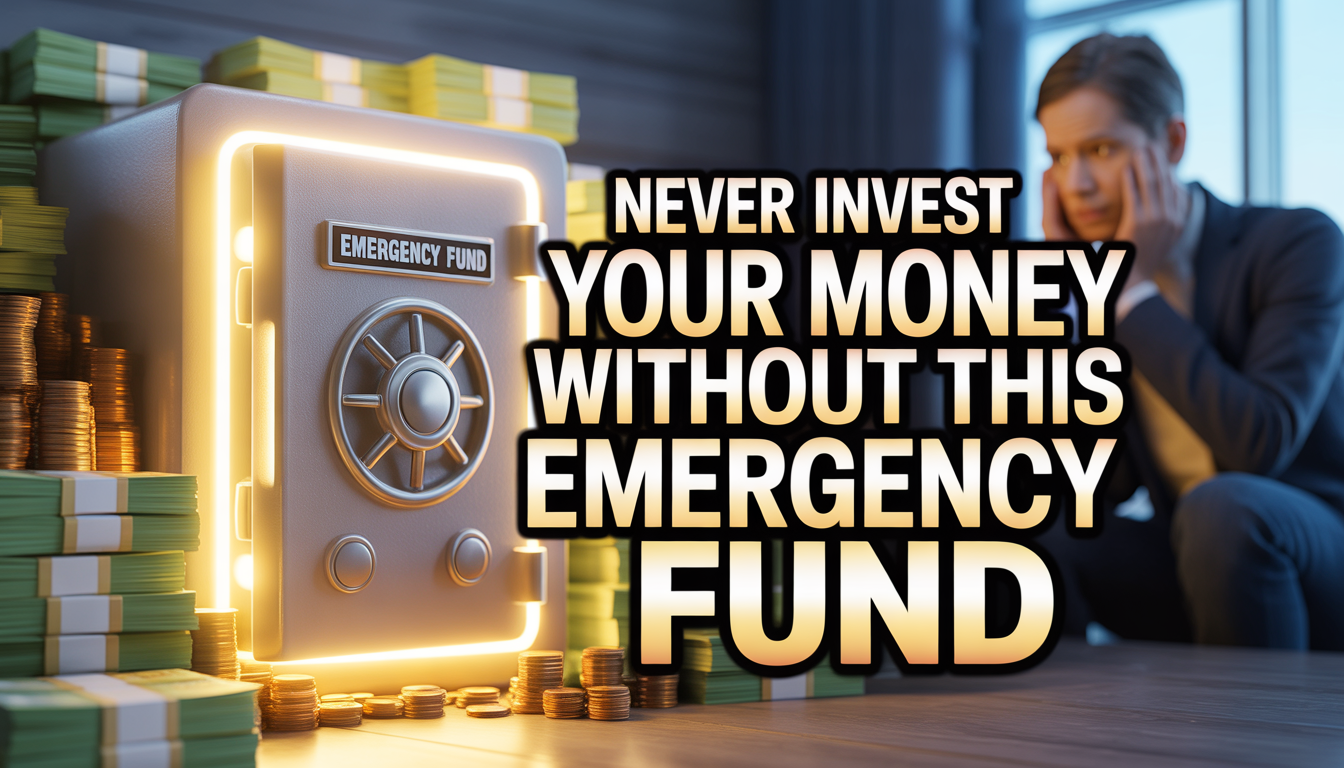
This is where an emergency fund becomes more than just savings. It becomes protection, clarity, and dignity. It saves you from borrowing at high interest, from depending on relatives, and from making desperate financial decisions. More importantly, it changes how you think and how you live.
Let’s break down everything you need to know: why you need it, how much you need, where to keep it, and when to use it.
Why You Need an Emergency Fund:
As long as we are alive, we will experience both comfort and difficulty. No one is permanently protected from uncertainty. If you carry responsibilities for yourself, your parents, siblings, spouse, or children, having a financial buffer is not optional. It is essential.
But the real power of an emergency fund goes beyond emergencies. It shifts your mindset from survival mode to strategy mode. Instead of constantly worrying about the next salary date or fearing unexpected expenses, your mind becomes calmer. You start thinking long-term. You think about increasing income, improving skills, and spending quality time with your family.
An emergency fund also makes you a better investor. When markets fall temporarily, you do not panic. You do not withdraw long-term investments to cover short-term needs. You allow your portfolio to grow undisturbed. That emotional stability alone can significantly improve long-term financial outcomes.
Confidence comes from preparation. Knowing you have three to six months of expenses saved gives you psychological strength. That confidence reflects in your decisions, your career choices, and even your relationships.
How Much Should You Save?
The size of your emergency fund depends on two major factors: your responsibilities and your income stability.
If you are single and responsible only for yourself, your financial obligations are relatively simple. But if you support parents, a spouse, children, or siblings, your coverage needs increase. More dependents mean more financial protection is required.
The second factor is income stability. A government employee with a predictable salary may need less coverage than a freelancer or business owner with irregular income. The more unpredictable your earnings, the larger your safety net should be.
As a general framework, aim for at least three months of essential expenses if you are single with a stable income. If you have family responsibilities and a steady job, aim for six months. If your income is irregular or uncertain, consider saving nine to twelve months of expenses.
To calculate your target, first determine your essential monthly expenses. These include rent, utilities, groceries, school fees, transportation, medical costs, and other necessities.
If your monthly essential expenses are 100,000 PKR, then a six-month emergency fund would be 600,000 PKR. If you aim for a full year of security, that becomes 1,200,000 PKR.
These numbers are personal. For some, three months might be 50,000 PKR. For others, it may be 1 million or more. The key is clarity and consistency.
Where Should You Keep It?
The purpose of an emergency fund is liquidity. It must be easily accessible. If you cannot withdraw it quickly during a crisis, it fails its purpose.
You can keep your emergency fund in a savings account, a Sharia-compliant savings product if preferred, or a low-risk money market mutual fund that allows quick redemption. The goal is safety and accessibility, not high returns.
Many people feel tempted to invest their emergency fund in stocks for better returns. This is a mistake. Stocks fluctuate. Markets crash. If your emergency happens during a market downturn, you could be forced to sell investments at a loss.
Yes, inflation may reduce the purchasing power of idle cash. But the emergency fund is not meant to maximize returns. It is meant to provide security and mental peace. Some assets generate financial returns. Others generate emotional stability. Your emergency fund belongs in the second category.
By separating emergency money from long-term investments, you allow your investment portfolio to compound peacefully without interruptions.
When Should You Use It?
Not every expense qualifies as an emergency. That is why you need a simple decision framework. Before using your emergency fund, ask yourself three questions.
Is this expense unexpected? Is it urgent? Does it need immediate action?
If at least two of these three answers are yes, then it likely qualifies as an emergency. If not, it is probably a desire, not a necessity.
Vacations, gadgets, luxury upgrades, and impulsive purchases do not qualify. Medical emergencies, essential repairs, sudden income loss, or unavoidable obligations do.
You can also use your emergency fund to genuinely help someone in serious need. Money should serve a meaningful purpose. However, once you use your emergency fund, your first financial priority must be replenishing it before resuming other investments.
An emergency fund should never remain empty for long. It is your financial shield.
How to Build Your Emergency Fund Faster:
Building an emergency fund may feel overwhelming at first. But it becomes manageable with structure.
Start with budgeting. You cannot build what you cannot measure. Track your monthly income and expenses carefully. Identify unnecessary spending and redirect those funds toward your safety net.
Look around your home. Do you have unused gadgets, old electronics, or items collecting dust? Selling unused assets can provide a quick boost to your emergency savings.
You can also allocate bonuses, freelance income, or side earnings directly to this fund. Even small, consistent contributions build momentum over time.
The key is discipline. Treat your emergency fund contribution like a mandatory bill you pay to yourself every month.
The Peace of Financial Preparedness:
An emergency fund does more than protect you from financial shocks. It changes your emotional state. It reduces stress. It improves decision-making. It allows you to think long-term instead of reacting short-term.
Without an emergency fund, every unexpected expense feels like a crisis. With one, challenges become manageable events rather than disasters.
If you have not created your emergency fund yet, start today. Even if it begins small, the act of building it will create confidence and control. Over time, you will notice a calm shift in your mindset.
Financial security is not built overnight. But preparation today prevents panic tomorrow. And that preparation begins with a simple, powerful tool: your emergency fund.
Conclusion:
An emergency fund is not just a financial tool it is a foundation for stability, confidence, and control over your life. While many people focus on investing and growing wealth, they often ignore the basic protection that makes long-term growth possible. Without a safety net, even a small crisis can force you into debt, disrupt your plans, and damage your financial progress.
By building an emergency fund, you are not just saving money you are buying peace of mind. You reduce stress, avoid panic decisions, and give yourself the freedom to handle life’s uncertainties with clarity. It also allows your investments to remain untouched, ensuring that your long-term goals stay on track.
The size of your fund may vary depending on your responsibilities and income stability, but the principle remains the same: prepare before problems arise. Keep it accessible, use it wisely, and replenish it quickly after use.
In the end, financial security is not about how much you earn, but how prepared you are for the unexpected. And that preparation begins with a simple but powerful habit—building your emergency fund.
FAQs:
1. What is an emergency fund, and why is it important?
An emergency fund is a pool of money set aside for unexpected situations like medical emergencies, job loss, or urgent repairs. It is important because it protects you from debt, financial stress, and poor decision-making during crises.
2. How much money should I keep in my emergency fund?
It depends on your situation. Generally, you should save 3–6 months of essential expenses. If you have dependents or irregular income, you may need 9–12 months of expenses for better security.
3. Can I invest my emergency fund in stocks or other assets?
No, an emergency fund should not be invested in risky assets like stocks. It should be kept in safe and liquid options such as a savings account or low-risk funds so you can access it immediately when needed.
4. When should I use my emergency fund?
You should use it only for genuine emergencies—unexpected, urgent, and necessary expenses like medical bills, job loss, or essential repairs. Avoid using it for wants like vacations or gadgets.
5. How can I build my emergency fund quickly?
Start by budgeting and cutting unnecessary expenses. Redirect savings, bonuses, or side income into the fund. You can also sell unused items to accelerate the process. Consistency and discipline are key.
Author

officeworks1419@gmail.com
Related Posts

How Rich People Really Invest in Stocks:
- 0
- 1,579 word
You’ve probably heard that nearly everyone invests in stocks today. The S&P 500 has performed strongly over the past decade, and on...
Read out all